Technology
The layered architecture
Three layers, built in sequence. Air interception first, then ground robotics, then point defence. Each phase funds and de-risks the next.
Three layers, built in sequence. Air interception first, then ground robotics, then point defence. Each phase funds and de-risks the next.
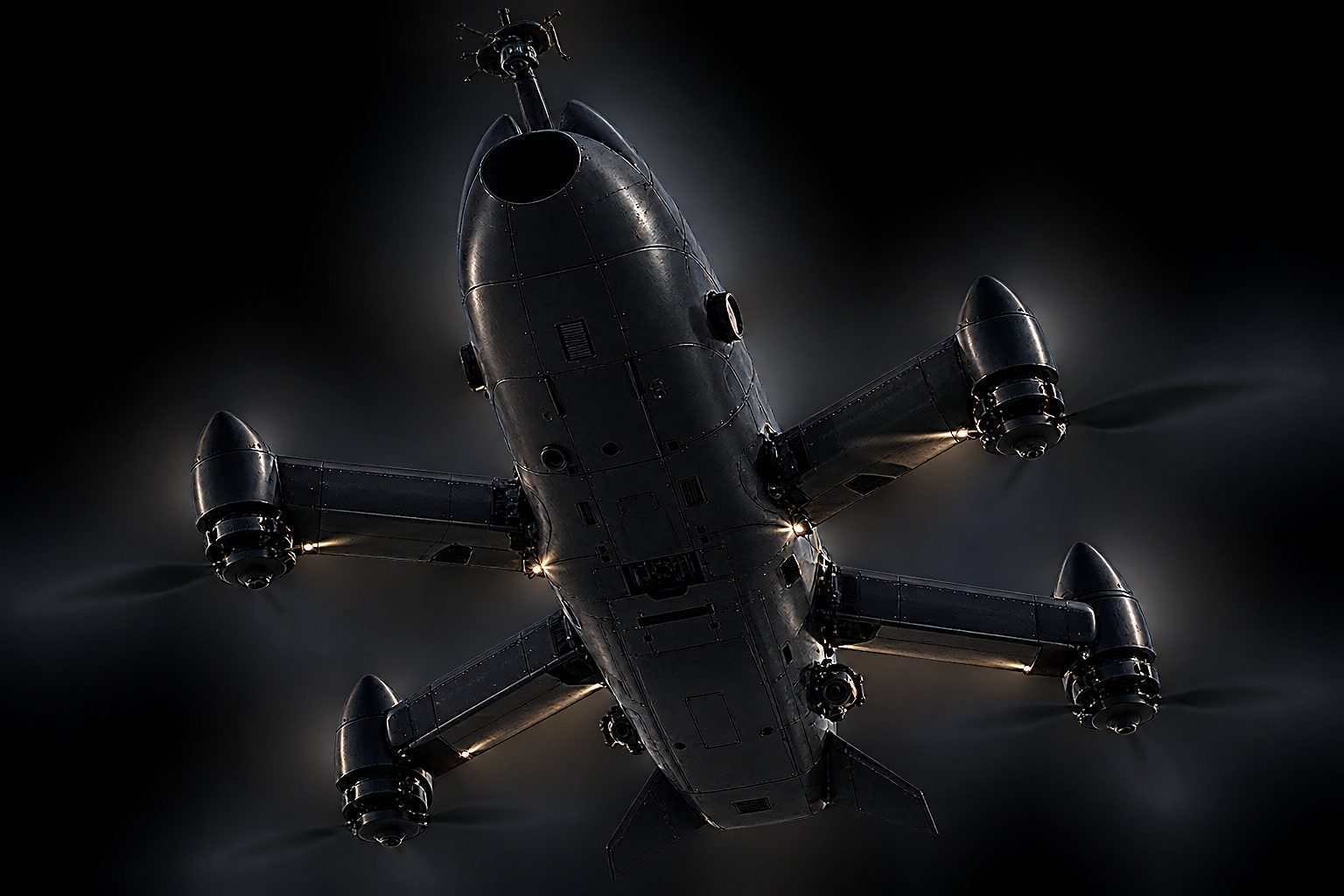
Built on a combat-proven Ukrainian interceptor credited with 3,000+ confirmed intercepts in 2026. Greater Robotics adds an AI command stack, upgraded propulsion and modular payloads, the fastest path to battlefield validation there is.
The operator authorizes. The interceptor handles lock, guidance and impact on its own.
Operators command the interceptor. They don't fly it. Once authorized, the drone owns target lock, guidance and impact. It removes the skilled-pilot bottleneck and makes mass deployment possible.
Modified propulsion and airframe to engage faster threats. Loitering munitions and fixed-wing attack drones beyond conventional FPV interceptor range. Built for the aerial threats now emerging.
A modular payload architecture for rapid, mission-specific configuration: directional fragmentation, enhanced blast and multi-target airburst. Designed to evolve against the swarm.
"A low-cost air-to-air missile that has proven its effectiveness in real combat conditions."
Ukrainian interceptor pilot, 2026
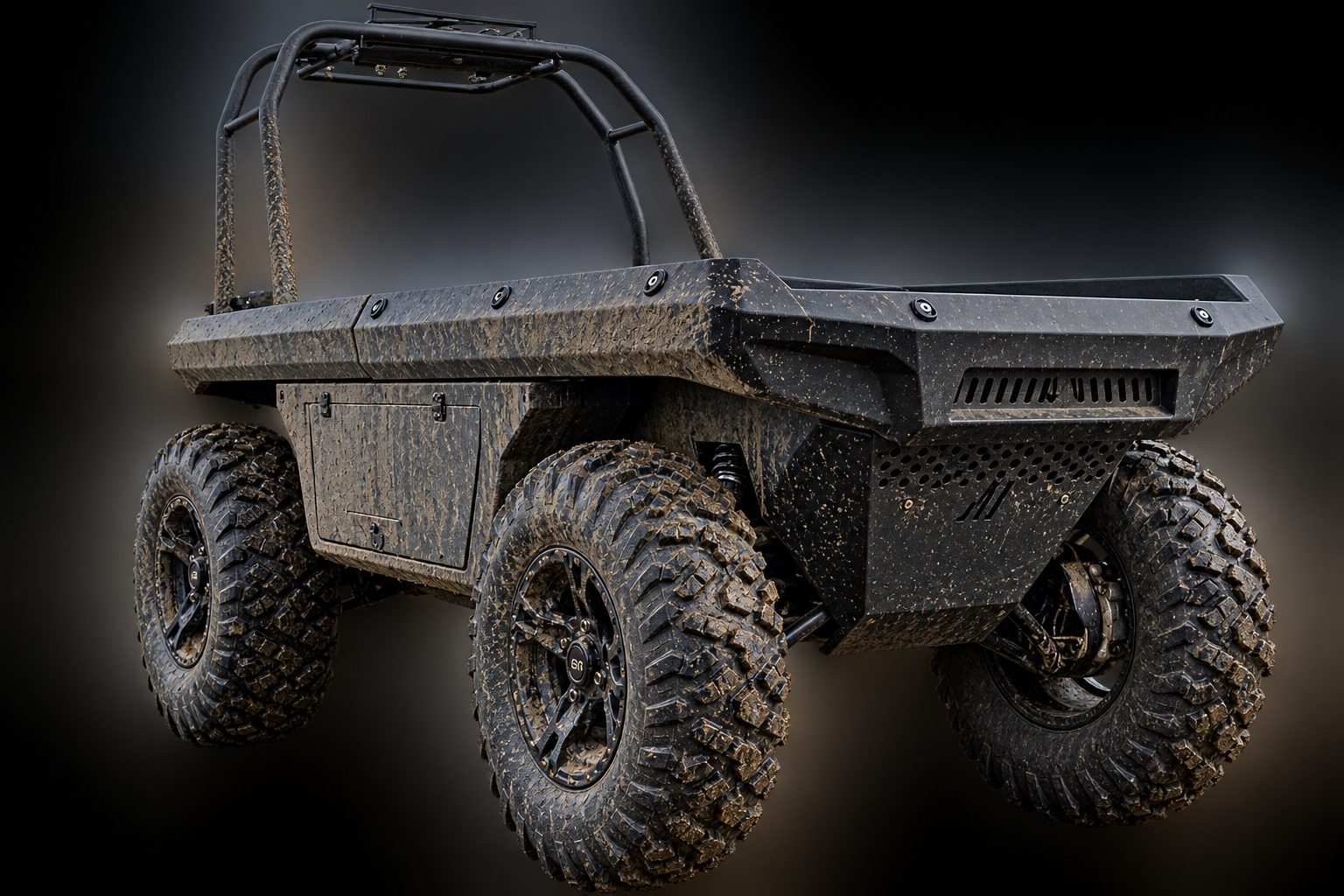
Harvestman, Scarab and Mantis. Ground-launched mobile platforms for forward sustainment, casualty evacuation, logistics resupply and position defence. Development and field testing of core components is already underway.

A hard-kill terminal layer for the sites and assets that sit outside the interceptor envelope. 360° azimuth protection for critical infrastructure, at NATO scale.
LADI-Hornet is Greater Robotics' air-interception layer, built on a combat-proven Ukrainian interceptor credited with 3,000+ confirmed intercepts in 2026. Greater Robotics adds an AI command stack, upgraded propulsion and modular payloads.
Operators command the interceptor. They don't fly it. Once authorized, the drone owns target lock, guidance and impact, following a Detect, Track, Approve, Intercept, Neutralize chain. It removes the skilled-pilot bottleneck and makes mass deployment possible.
33km+ range, extendable via air-deployment from larger drones, with vertical launch and modular, mission-specific payloads. It is effective against any sizeable drone and multi-threat by design.
Three layers built in sequence. Air interception (LADI-Hornet) first, then ground robotics (the UGV Ecosystem: Harvestman, Scarab and Mantis), then point defence (KADS-Widow). Each phase funds and de-risks the next.
Greater Robotics upgrades proven Ukrainian platforms instead of designing from a clean sheet. Validation cycles run in months, not years, and every dollar buys field-proven capability.